What to Know About Image Licensing in Architectural Photography
Architectural photography licensing
An architect wants to crop an image for a presentation. Interiors wants to add it to a digital mood board. Construction wants a social post. Instead of the usual thread of “Can we do this?” you simply share information based on the licensing agreement your photographer created for your team. It’s clear, concise, and built to empower you, not restrict you. Now you’re the one with quick answers who your team can trust.
When working with any photographer or photography firm, it’s essential that you understand your licensing agreement with the photographer. The licensing agreement is important because it lays out all the information you need to understand the included usage of the images you licensed. Every photographer’s agreement will likely be a little different, so make sure that you understand the ins and outs of the license and ask for any additional changes you may need up front Photographers are always happy to provide a unique licensing agreement that works for your firm’s usage and ensures the project, and your team, will get the recognition they have earned.
Why Photographers License Their Photos
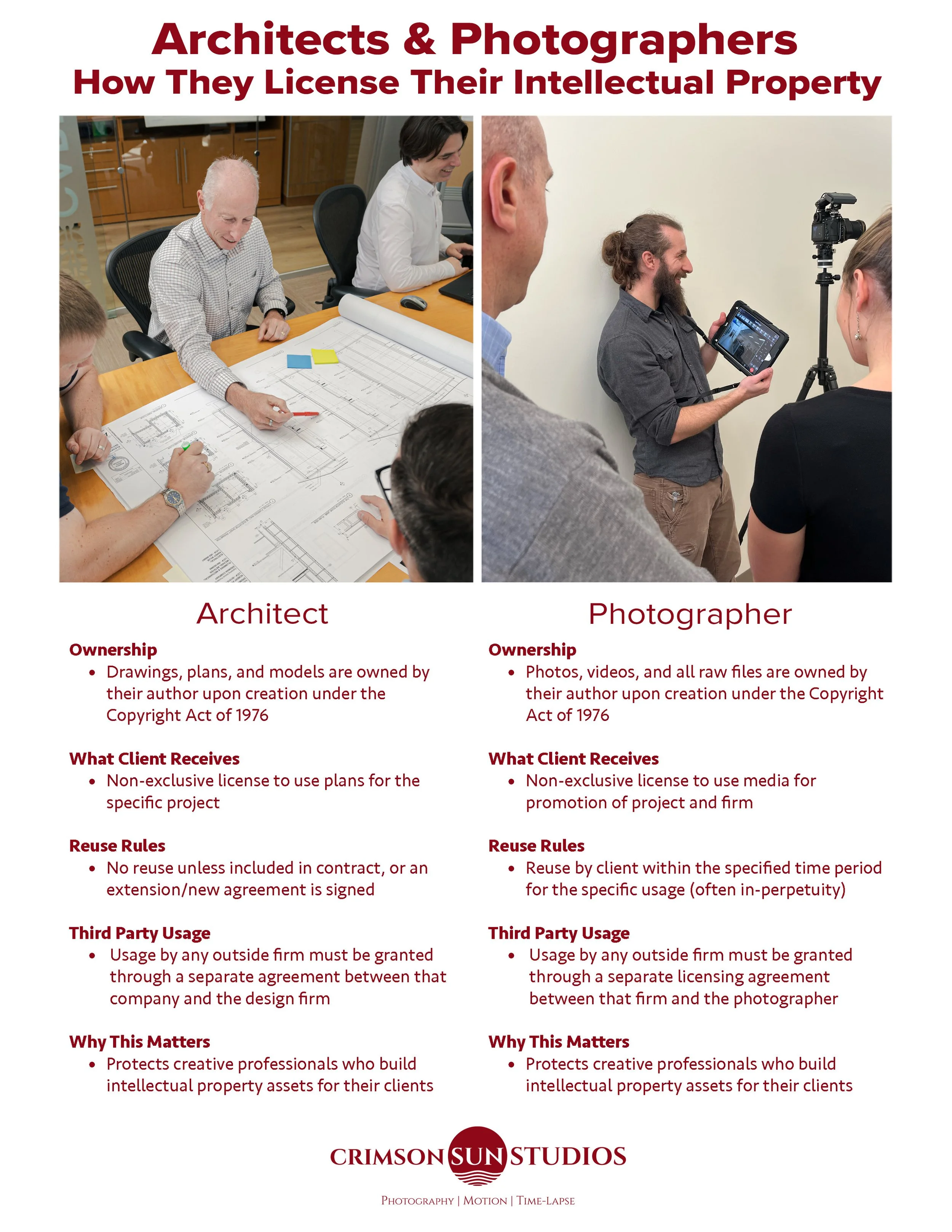
Commercial photography of any kind is a rights-managed business. This means that photographers retain the copyright for the photos they create, then license specific rights and usages of those images to their clients. This is done in order to allow photographers to maintain ownership of their creative property (in this case the photos), helping to keep their businesses going. When a photographer maintains the copyright of a photo, it allows them to re-license that work in the future. This helps them continue to turn a profit and keep their business afloat, and helps the photographer lower your cost by not charging you for the lifetime worth of the delivered work. To give an exclusive license, or to sell the image’s copyright, eliminates any potential for re-licensing and cuts off a possible stream of future revenue, which is why those options cost more.
Architects and photographers actually share more common ground than most people think. Both professions create work that blends technical skill and creativity. And in both cases, that work remains valuable long after the work is delivered. The drawings an architect provides and the photos we produce as architectural photographers are protected as intellectual property because they represent years of experience and a careful creative process.
Your team’s goal is straightforward. You want to use your images confidently and without slowing down your workflow. Licensing exists to support that, it is not meant to limit you. It provides structure that keeps projects running smoothly and helps you avoid confusion or last minute problems. When the terms are clear, you know exactly how the images can be used across your website, RFPs, award submissions, paid placements, partner communications, or social media.
At Crimson Sun Studios, we approach licensing the same way we approach our photoshoots. We take the time to understand how you work and what you need. A well built license should feel helpful. It should save you time and give you clarity. It should make your photographer feel like a trusted partner who helps you tell your story in the simplest and most effective way possible. This is why many photographers use limited licenses, it helps them maintain a healthy and sustainable business and keeps costs lower for your firm.
Common Photography Licensing Errors
Lets discuss some of the most common mistakes made in a firm’s use of imagery that might violate their photographer’s licensing contract. One of the most common errors involves a firm’s use of their images in third party media not covered by the licensing agreement. This could include having the image published in editorials or used in paid advertising. Some firms may assume they can use their new photos however they want and may walk directly into these contract violations as a result. It’s important to understand the specifics of your license to avoid this.
Another issue some firms encounter is failure to properly attribute the photos to the photographer. This is important from both an ethical and legal standpoint. Looking at it ethically, the photographer has created the photo and it’s the right thing to do to credit them for it, same as giving proper credit for renders and blueprints. This makes it so that people can both attach the art to its creator and then reach out to the photographer if they need images or want to license that specific work. This means that credit can function as a referral. In addition, crediting the photographer provides both you and them with legal footing to stand on if someone tries to take the photo for themselves, as the individual in question can’t claim plausible deniability if the photo is clearly credited on the source they pulled it from. Providing credit generally works to limit the likelihood of illegal re-use and other breaches of contract.
It's also possible that a firm may want to further edit photos themselves once they have been received from the photographer. Certain edits, such as cropping or converting a photo to black and white for layout and design purposes, are completely fine and expected by the photographer. Editing of color, exposure or subject matter in the photos are generally frowned upon and can lead to a misrepresentation of your photographer’s brand, causing confusion and misinterpretation for both the photographer and their future clients (especially if those clients found them because of your edited images). For these reasons, it’s always best to ask your photographer to make changes for you during the editing process, or to ask them for verbal or contractual consent to make certain changes. Remember, we as photographers are working on your behalf as a partner to your business. We want to show your work in the best way and are happy to edit to your specifications when needed.

Types of Licenses
Now that you know about some common licensing pitfalls, lets discuss a few different types of licenses:
Limited License
A limited license is especially common in photography (as well as most other creative licensing applications) and essentially means that there is some kind of restriction in place with your licensure of the images. This could be who is allowed to use the images, where the images may be displayed or posted, or a specific term length for use of the images. When working with a photographer, it is important to state what and where you intend to use your images so that any necessary adjustments to their licensing agreement can be made. The limited license is designed to protect both parties and give firms the specific usages they actually need, without raising costs for unnecessary rights. Any additional rights can be secured later if the scope of use grows.
Unlimited-Use License
An unlimited-use license essentially gives you the right to use images in any way you’d like, including all paid placements, editorial, and outside publication use, in-perpetuity. Certain restrictions within the licensing agreement may still apply or may only apply to a specific context of the photo, such as restriction of third-party sharing. This type of license is more valuable as it offers more usage, flexibility, and peace of mind that there will be no infringement on the photographers copyright.
Copyright Buyout
A copyright buyout gives a firm complete ownership of the images, which means unlimited use for any purpose, forever, without the need for additional licensing, including the ability to resell, license, or give to any third party without restriction. While this level of control can sound appealing, it is rarely necessary for architecture and construction firms. Most marketing, PR, and proposal needs are fully covered by standard or slightly expanded licenses. A buyout is typically only worth the cost when a firm plans to use the images in large scale commercial campaigns or long term national advertising. For everyday project marketing and partner collaboration, a well structured license provides all the access you need at a fraction of the cost, while still protecting the photographer’s ability to maintain their business. Some firms want to ensure that they have first publishing rights and that the images won’t be shared or used in a way that compromises the integrity of their work or their firm. It’s true that a full copyright buyout can solve this issue, however, there are more cost-efficient options that address these concerns.
Benefits of working with a professional
Working with an architectural photographer who uses a structured licensing agreement is really about support. Clear terms protect your team, keep projects moving smoothly, and help you get the most value from every shoot. Limited licenses also help keep costs down by focusing only on the rights you need, which leaves more room in your budget to extend your marketing efforts across more projects. When your photographer understands how your firm communicates and collaborates, the licensing becomes an easy tool that guides your team instead of slowing it down. It gives you confidence, transparency, flexibility, and a partner who is invested in helping your work stand out. In the end, good licensing is not about adding rules. It is about building a relationship that helps your business shine and ensures your projects get the recognition they deserve.
Have questions around any concepts shared here, or just want to chat about pricing or licensing? Get in touch here with any questions or project ideas you might have. We’re an open book and love to help wherever we can.
view more architectural blog features
Excellence In Masonry Awards Videos 2025
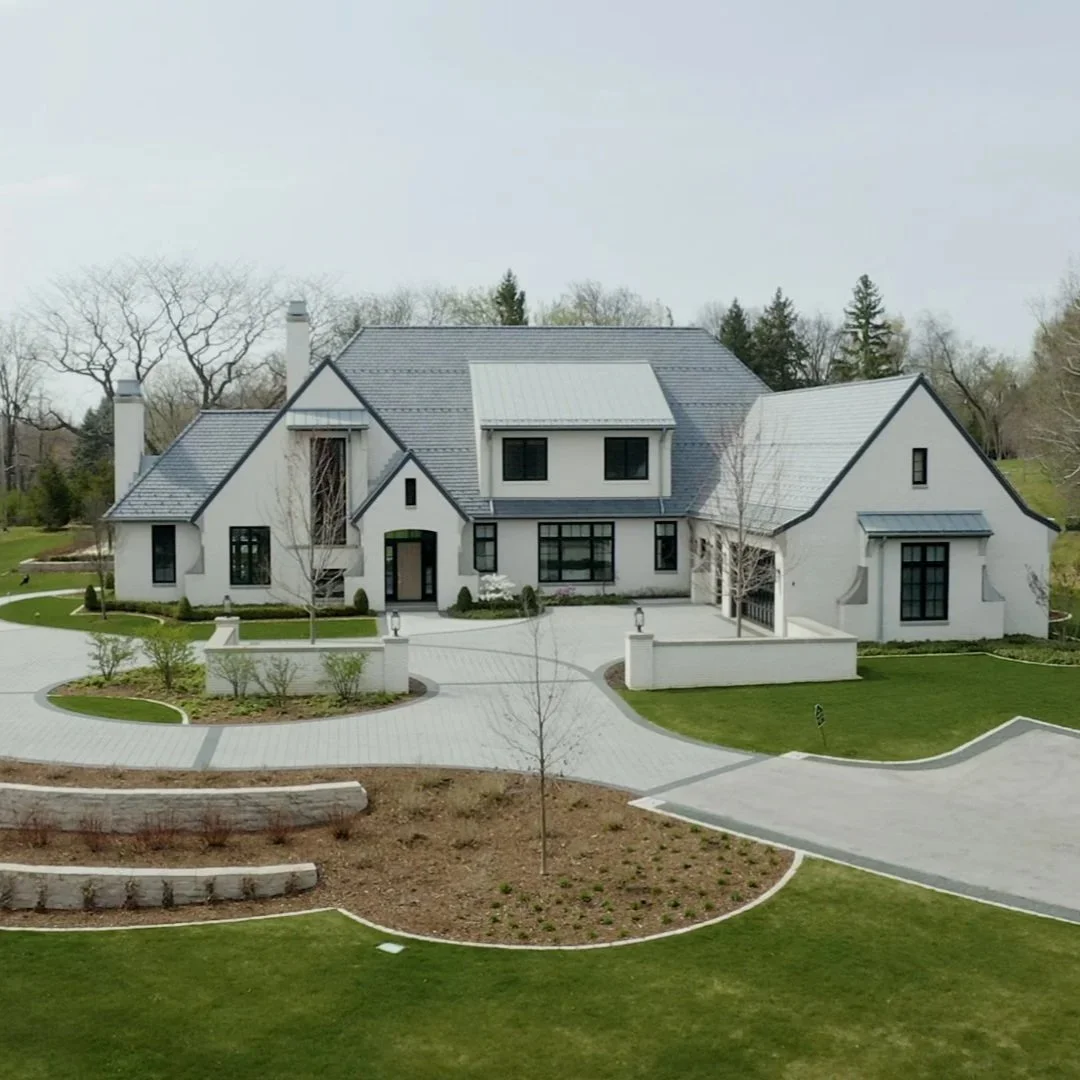
Architectural video is a growing trend in the industry, sharing deeper insights of a project and how it intersects human life and our natural world. Architectural project videography tells meaningful stories, engages audiences and shapes the perception of our built environment and the people who bring these spaces to life.
Wisconsin Youth Symphony Orchestra photos
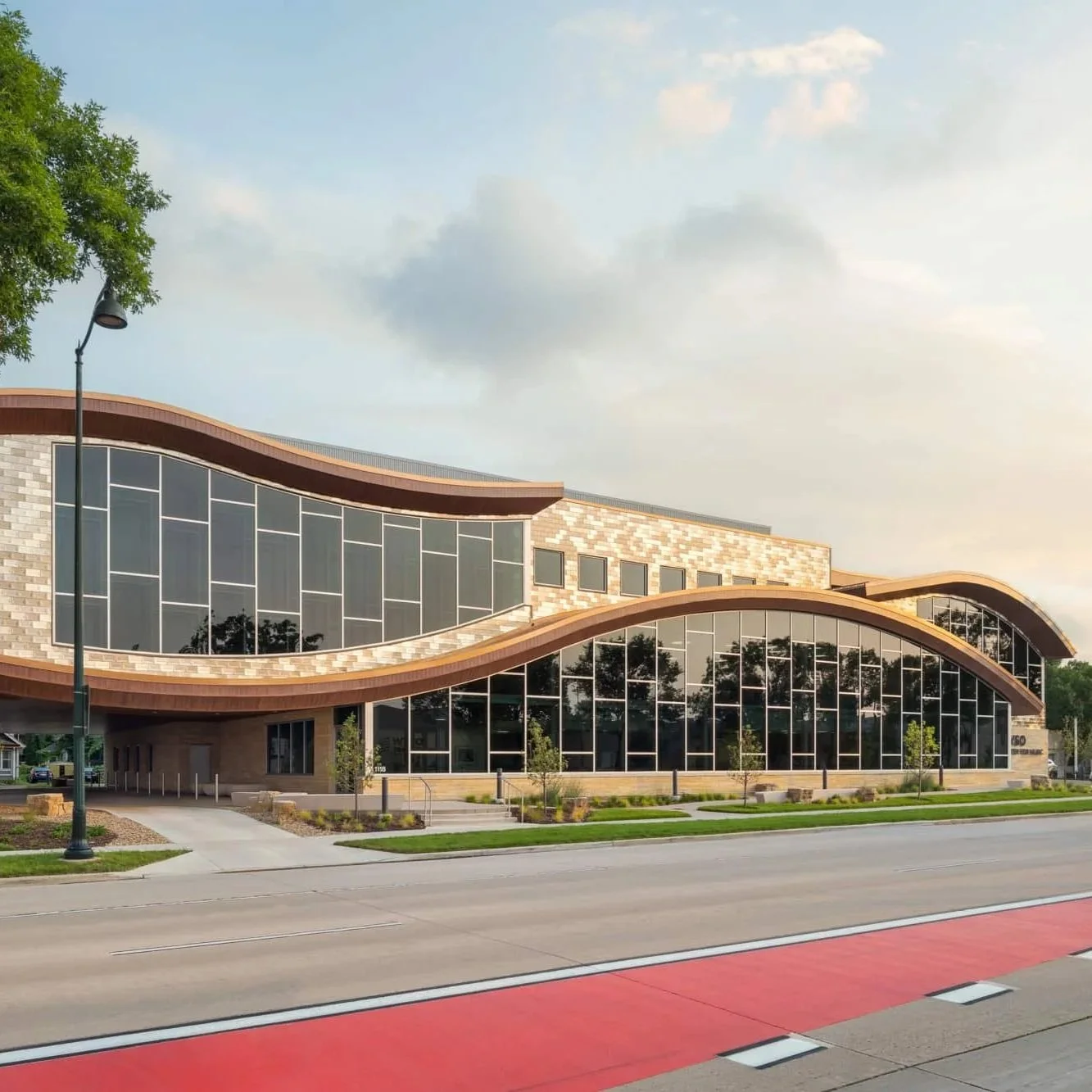
More than 500 students participating with the Wisconsin Youth Symphony Orchestra now have a beautiful, inspiring, and permanent space for rehearsal and camaraderie. Serving kids ages 5-18, the new building on East Washington Avenue sits in a vibrant arts neighborhood in downtown Madison and is poised to become a hub
Award winning photography and client testimonial

“I had a vision of what these photos could look like, and Crimson Sun Studios eclipsed my expectations. Every image was exactly what we wanted. This was a pretty amazing project for us.”
Read more about the Genisa project and how quality, architectural photography brought the firm a Projects of Distinction Gold Award.